Core Movement Mechanics
Stride City: Anti-Gravity Dash centers on momentum and spatial awareness. Players guide a character who can briefly ignore gravity, allowing for wall runs and high jumps that change the typical flow of an endless runner. The controls respond instantly to directional inputs, making every tap or key press matter. Obstacles appear in varied patterns, requiring players to switch lanes or leap at the right moment. The game rewards those who learn to read the environment quickly, as hesitation often leads to a collision.
Visual Style & Urban Atmosphere
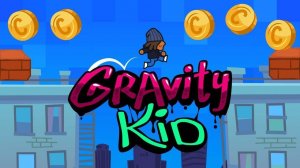
The city is rendered in bright, saturated colors with distinct districts that scroll by as the run progresses. Neon signs, street art, and moving traffic create a sense of speed and energy. The character model is simple but expressive, with animations that convey effort and momentum. The soundtrack mixes upbeat electronic beats with ambient city sounds, adjusting its intensity based on the player's speed. This audiovisual design keeps sessions feeling fresh even after repeated attempts.
Progression Through Coins
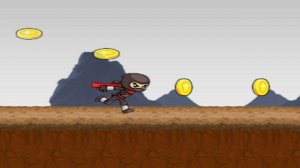
Coins are scattered along the path in clusters and lines, encouraging players to take calculated risks to gather them. These coins feed into a shop system where players can purchase permanent upgrades. Options may include extended shield duration, increased coin attraction range, or a starting speed boost. Each upgrade modifies the run slightly, giving players a sense of progression beyond just improving their own skill. The shop is straightforward, with no pay-to-win elements, ensuring that practice remains the primary path to higher scores.
Power-Up Strategy
Three temporary power-ups appear at random intervals: a shield that blocks one hit, a magnet that pulls nearby coins toward the character, and a slow-motion effect that reduces game speed for a few seconds. Using these effectively requires situational awareness. The shield is best saved for sections with dense barriers, while slow motion can help navigate tricky jump sequences. The magnet is most valuable when a large coin cluster is visible ahead. Power-ups do not stack, so players must decide which to activate based on immediate needs.
Learning Curve & Replay Value
The initial runs are forgiving, with simple obstacles that teach basic movement. As the player's distance increases, obstacle patterns become more complex, introducing moving barriers and tighter gaps. Each run is procedurally generated, so no two attempts are identical. This randomness, combined with the goal of beating personal records, creates strong replay value. The game does not punish failure harshly; instead, it encourages immediate retries with a quick restart option. This design suits short play sessions, making it easy to pick up and play for a few minutes at a time.